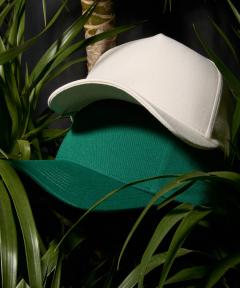
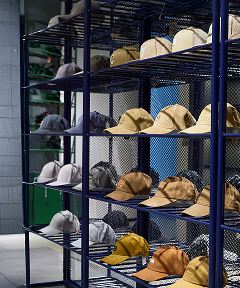






If you've ever finished a run with sweat stinging your eyes or sunlight blinding you at every turn, you already know a cap isn't just an accessory — it's part of your gear. Whether you're training for a 5K or logging daily miles before work, the right best running cap protects your skin, keeps your vision clear, and makes the miles feel a little easier.
Not every cap on the market is built for movement. In this guide, we'll break down exactly what to look for in a running cap for workouts, how fit and fabric change with the seasons, and how a true performance hat differs from the snapback cap sitting in your closet.
🔽 Quick Navigation
- 📌 Why Runners Need a Dedicated Cap
- 📌 What Makes a Good Running Cap?
- 📌 Running Cap vs Regular Snapback Cap
- 📌 Matching Your Cap to the Season
- 📌 Caring for Your Running Cap
- 📌 Key Features to Look for in a Quality Running Cap
- ❓FAQ
Why Runners Need a Dedicated Cap
A cap made for running does more than shade your face. During a workout, it plays several jobs at once:
- Sun protection — shielding your face and scalp from UV exposure on long outdoor runs
- Sweat control — keeping perspiration from dripping into your eyes
- Clear sightlines — a properly fitted brim keeps glare and hair out of your line of sight
- Temperature regulation — moving heat and moisture away from your head instead of trapping it
- All-around comfort — a well-designed cap should disappear on your head, not distract you mile after mile
None of that happens by accident — it comes down to material, construction, and fit.
What Makes a Good Running Cap?

Lightweight Material
Weight matters more than people expect. A heavy cap can start to feel like a weight on your head after just a few miles, and it traps heat instead of releasing it. A genuinely lightweight running cap uses thin, low-density fabric so you barely notice it's there — even on hour-long runs. Look for caps built from technical polyester blends rather than heavy cotton, which absorbs sweat and stays wet against your skin.
Breathability
Look for a cap built with mesh panels or laser-cut ventilation holes across the crown. These small openings let hot air escape and keep airflow moving, which is exactly what separates a breathable running cap from a standard fashion cap. On warm-weather runs, this single feature can make the biggest difference in comfort. Some caps also use a seamless construction, which removes stitched panels entirely and reduces friction points that can chafe on longer efforts.
Sweat Management
Runners sweat — a lot — and a cap that can't handle it becomes uncomfortable fast. Caps made with moisture-wicking fabric pull sweat away from your skin and move it to the surface, where it evaporates instead of soaking the fabric. That's the technology behind any reliable sweat proof running cap, and it's non-negotiable if you run in humid or hot conditions. Many performance caps also include a sweatband liner along the front edge — a small design detail that stops sweat from dripping onto your face during hard efforts.
Adjustable Fit
Head sizes vary, and a cap that's too loose will bounce with every stride while one that's too tight causes headaches. An adjustable strap at the back — whether it's a snapback, hook-and-loop closure, or elastic band — lets you dial in a secure, personalized fit regardless of head size. If you plan to wear the cap year-round, look for a closure system that still works comfortably with a headband or thin beanie underneath during colder months.
Brim Shape and Length
The brim does more work than people give it credit for. A slightly curved, medium-length brim blocks overhead sun without narrowing your field of view — useful on trails where you need to watch your footing. A flatter or shorter brim suits runners who prioritize peripheral vision, such as those training on busy roads or in group settings.
Color and UV Considerations
Lighter colors reflect more heat and stay cooler under direct sun, while darker colors can cut glare more effectively on bright days. If you run midday or in intense summer heat, a light-colored, UV-protective cap will feel noticeably cooler than a dark one over a long session.
Running Cap vs Regular Snapback Cap

It's tempting to just grab any cap from the closet before a run, but a running cap and a snapback cap are built for very different purposes.
|
Feature |
Running Cap |
Snapback Cap |
|
Weight |
Lighter, low-profile construction |
Heavier, structured crown |
|
Breathability |
Better — mesh panels and vents |
Average — limited airflow |
|
Sweat control |
Designed for sweat with moisture-wicking fabric |
Limited, often cotton-based |
|
Fit |
Adjustable for active movement |
Fixed or basic snapback fit |
|
Drying time |
Fast-drying technical fabric |
Slow-drying cotton or blends |
|
Best for |
Running, training, endurance sports |
Everyday, casual wear |
If you're serious about your training, the difference shows up somewhere around mile three.
Matching Your Cap to the Season

A single cap rarely covers every condition you'll run in over a year:
- Summer running calls for maximum breathability, light color, and UV protection to manage heat buildup.
- Spring and autumn runs benefit from a water-repellent finish that sheds light rain without adding weight.
- Winter training often means layering — a thinner, close-fitting running cap can sit comfortably under a headband or hood without bunching up.
Many runners eventually build a small rotation of caps rather than relying on just one, matching fabric weight to the season.
Caring for Your Running Cap
A little maintenance keeps performance fabric working the way it should. Hand-washing or using a gentle machine cycle in cold water helps preserve moisture-wicking coatings, and air-drying — rather than tumble-drying on high heat — protects the shape of the brim and prevents the fabric from breaking down over time. Rinsing your cap after particularly sweaty or salty runs also helps prevent odor from building up in the fabric.
Key Features to Look for in a Quality Running Cap
Choosing the best running cap comes down to more than picking whatever's on the shelf. Lightweight material, breathability, sweat management, a secure adjustable fit, the right brim shape, and even color all play a role in how comfortable your run feels from start to finish. Get those right, and a cap stops being just an accessory — it becomes part of what makes your run comfortable from the first step to the last.
Explore our running caps designed for everyday training and outdoor activities, or browse our full running caps collection for more options built for movement.
❓FAQs
Q1: What makes a running cap different from a regular cap?
A running cap is built specifically for movement — using lighter fabric, ventilation, and moisture-wicking material — while a regular cap prioritizes structure and style over performance.
Q2: Are lightweight running hats warm enough for cooler weather?
Most lightweight running caps are designed for breathability rather than warmth, so they're best suited to mild-to-warm conditions. For cold-weather runs, look for a cap with a denser weave or pair it with a headband.
Q3: How do I know if a running cap fits properly?
It should sit snugly without pinching, stay in place without a strap when you shake your head gently, and use an adjustable closure to fine-tune the fit to your head size.
Q4: How often should I replace my running cap?
It depends on use, but once the fabric loses its moisture-wicking performance, the brim starts to lose shape, or the adjustable closure no longer holds fit, it's usually time for a replacement.