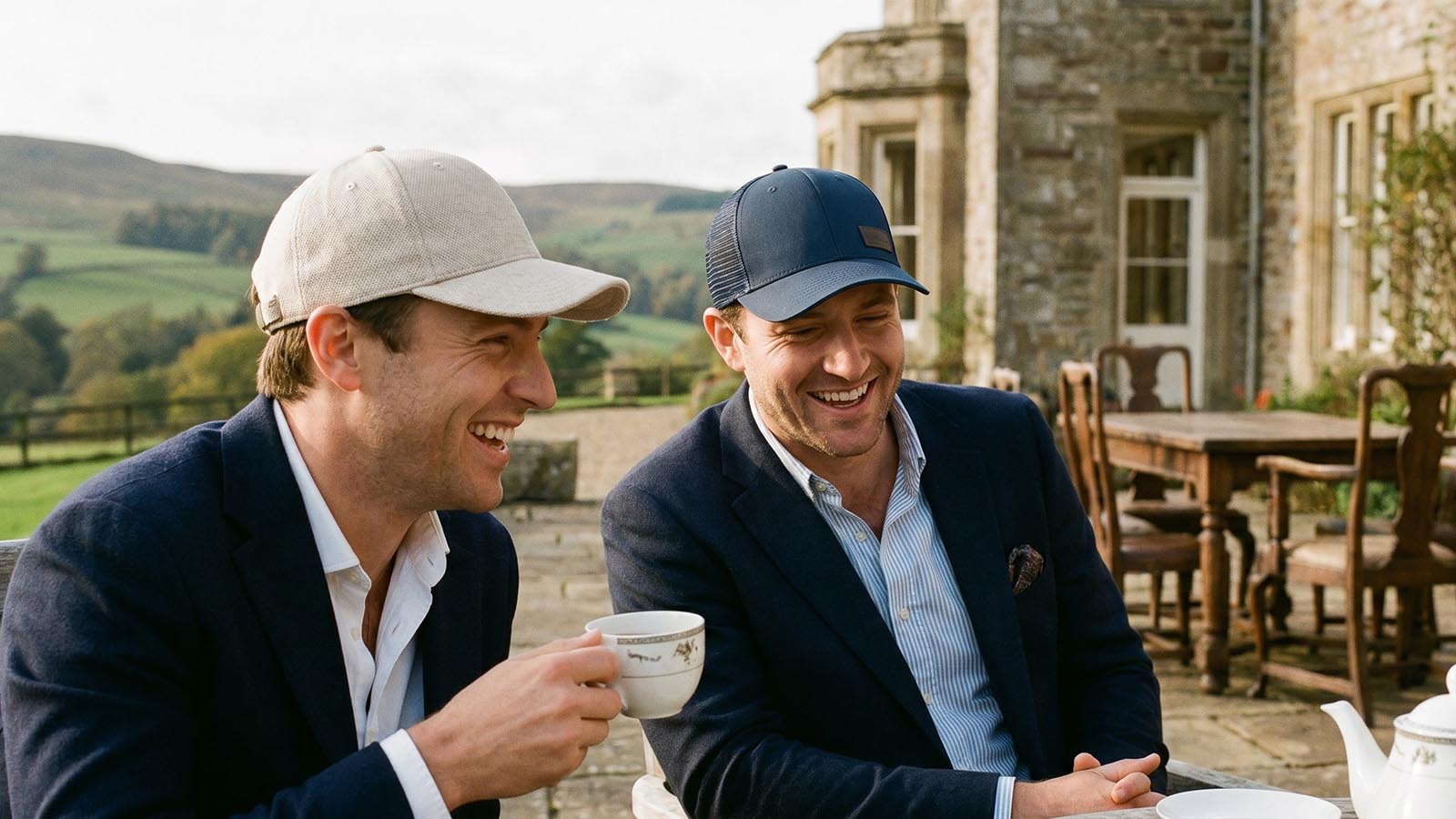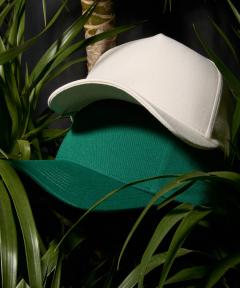
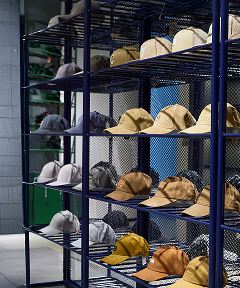

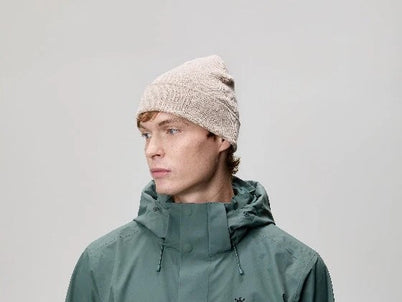
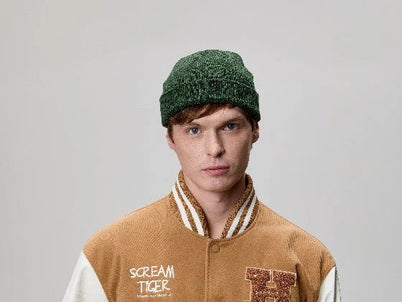
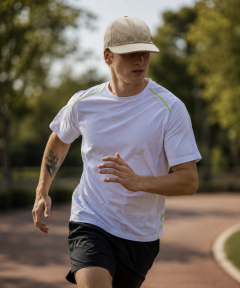


Custom hats have a broader range of real-world applications than most brands expect. They aren't exclusive to sports teams or corporate gift programs. From fitness studios to independent streetwear labels, from university clubs to early-stage consumer brands — hats play entirely different roles across industries. Sometimes functional gear, sometimes identity marker, sometimes the lowest-cost market validation tool available.
🔽 Quick Navigation
- 📌 Why Custom Hats Work Harder Than Most Branded Merchandise
- 📌 Sports & Fitness Brands: Performance Meets Brand Visibility
- 📌 Outdoor & Adventure Companies: Gear That Goes the Distance
- 📌 Fashion & Streetwear Labels: Hats as a Core Product, Not an Add-On
- 📌 Schools, Universities & Sports Teams: Building Community Through Headwear
- 📌 Start-Ups & New Brands: Low MOQ Custom Hats as a Market Testing Tool
- 📌 Don't Treat Hats as Merchandise — They're a Long-Term Outdoor Brand Exposure Tool
- ❓FAQ
Why Custom Hats Work Harder Than Most Branded Merchandise

Brand merchandise often runs into the same problem: most items don't get used. Nice mugs stay in the cupboard, stickers get applied and forgotten, ill-fitting tees get pushed to the back of the drawer. Hats are a different category.
Hats have functional value.
Sun protection, wind resistance, keeping hair in place during sport — they get worn in real situations, not displayed. That means the brand logo appears on streets, at events, in gyms, outdoors — not in a drawer.
Hats are a low-barrier size category.
Unlike apparel, hats are essentially one-size. Inventory management is simple, return rates are low — particularly friendly for early-stage brands.
Hats deliver high visual exposure.
The logo sits at head height, directly in the natural line of sight — far more efficient than chest or back placement. Every wear is a moving display.
Sports & Fitness Brands: Performance Meets Brand Visibility

A custom hat for a fitness brand must first be a good hat — then a brand vehicle. That order matters.
- Function drives style selection. Running and training demand lightweight, quick-dry, breathable materials — Running Caps and Performance Hats are the natural choice, with moisture-wicking fabric, adjustable closures, and reflective details that serve real needs. Golf calls for higher standards in structure and sun coverage — the weather resistance of a Golf Hat directly affects user experience.
- Brand exposure happens in the most authentic contexts. Marathon courses, CrossFit boxes, outdoor rides — hat visibility in these settings carries more persuasive weight than any indoor ad. A customer wearing your brand during training is a silent endorsement.
- Keep the design restrained. In sport contexts, the simpler the logo, the longer it wears well. A small front embroidery or print is enough — avoid excess color that undermines the functional aesthetic. Embroidery holds up well through repeated washing, making it the reliable choice for long-term wear.
Outdoor & Adventure Companies: Gear That Goes the Distance

Outdoor brand hats have an advantage other categories can't replicate: they show up in places worth photographing. Summits, forests, coastlines — every outdoor shot featuring the hat is the brand existing in a natural setting.
- Material is the core competitive factor here. Waterproofing, UV protection, dirt resistance — these determine real usability in demanding conditions. Foremost offers a waterproof range, UV protection styles, and a recycled materials collection — the latter particularly suited to outdoor brands built around sustainability, with GRS-certified materials that back up environmental claims with physical proof.
- Style selection should prioritize multi-scenario compatibility. Bucket Hats offer all-round sun coverage and fold flat for packing — ideal for hiking and water activities. Trucker Hats provide mesh ventilation for summer outdoor performance. Beanies cover autumn and winter mountain conditions. A mature outdoor brand typically releases different styles across seasons, building a product matrix rather than a single SKU.
- Design language should match brand character. Outdoor hats don't need to be loud. A leather patch with a small logo reads better than large-format print; earth and antique tones outlast fluorescents. Patch construction is widely used in outdoor-style custom work — strong handcrafted feel, well suited to brands projecting an artisanal image.
Fashion & Streetwear Labels: Hats as a Core Product, Not an Add-On
For streetwear brands, hats aren't merchandise — they're mainline product. They sit alongside hoodies and pants as part of a complete outfit system, and deserve the same product logic in design and pricing.
Style choice is a brand statement
Snapbacks are a street classic — wide brim, flat crown, hard structure, high visual identity. Dad Hats are soft-brim and understated, with a vintage feel suited to more everyday street aesthetics. Trucker Hats sit between the two, consistently popular in retro and workwear-influenced styling. The hat style itself is an expression of brand aesthetic position.
Technique combination creates product depth
Single embroidery reads as generic in a streetwear context. A more effective approach layers techniques — front embroidery for the primary logo, a small plate or metal label on the side, a woven label inside for brand detail. Print handles large-format graphics and gradients where embroidery falls short; PVC patches bring dimensionality and sheen suited to more experimental design languages.
Limited drops amplify scarcity value
Streetwear hats are well suited to limited releases — colorway drops, collaborations, seasonal editions. Each drop is a brand moment. Low-MOQ custom production makes this strategy fully viable even at independent brand scale.
Schools, Universities & Sports Teams: Building Community Through Headwear

In campus and team settings, hats do more than display — they carry a sense of belonging. A hat bearing a school crest says "I'm part of this" without a word.
- Sports teams have clear, standardized needs. Unified style, unified colorway, crest or team name on the front — this is the most common brief. Embroidery is the standard choice; color accuracy and stitch consistency are the key quality indicators.
- Campus merchandise has a repeating purchase logic. New student intake, each new season, every major fixture — all trigger fresh demand. Rather than a one-off bulk order, a standing custom partnership with rolling replenishment reduces inventory pressure on both sides.
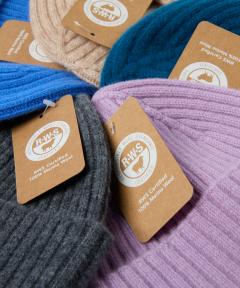
- Cold months are Beanie season. Through the UK autumn and winter terms, Beanies are a daily wear staple. Organic cotton or merino wool delivers comfort and skin-friendliness — and aligns with the sustainable procurement standards many institutions now hold. Foremost's GOTS-certified organic cotton and RWS-certified wool styles are a natural fit for this procurement context.
Start-Ups & New Brands: Low MOQ Custom Hats as a Market Testing Tool

For early-stage brands, the core value of custom hats isn't volume production — it's validating market response at minimal financial risk.
- Hats are an ideal vehicle for testing brand visual language. One product, one logo, one colorway — a hat distills a brand to its simplest form. Consumer response to it often predicts their response to the brand as a whole.
- Low MOQ reduces the cost of experimentation. No need for large upfront inventory to gather real market feedback. Foremost's UK warehouse stock supports starting from blank styles, enabling small-batch custom testing without long production lead times.
- The path from blank to fully custom is clear. Start with stock blanks and a custom logo, validate the style and market response, then move into full custom — bespoke silhouette, fabric, colorway, construction. Controlled risk, high capital efficiency.
- Custom hats as an early revenue stream. Before the core product line takes shape, hats can function as a standalone sales category — generating early revenue and user data. Strong repurchase logic, suited to seasonal drops, and a natural fit as event merchandise both online and off.
Don't Treat Hats as Merchandise — They're a Long-Term Outdoor Brand Exposure Tool
Whether you're building a sports brand, outdoor gear label, streetwear line, or an independent brand just getting started — custom hats shouldn't be the last item on the product planning list. Low bulk, low inventory pressure, high wear frequency: an efficient tool for keeping your brand visible in real life.
❓Custom Hats for Business: Your Questions Answered
Q1: Which hat style works best for sport?
Running and training: performance caps or running caps — prioritize moisture-wicking and lightweight construction. Golf: waterproof and breathable styles. Outdoor hiking: bucket hats or UV-protection styles.
Q2: How do I choose a customization technique?
Embroidery holds up well through washing — suited to sport and long-term wear. Print handles complex graphics. Patches (leather or PVC) work for designs seeking layered texture and a handcrafted feel.
Q3: What sustainable material options are available?
Foremost offers GRS-certified recycled fabric, GOTS-certified organic cotton, and RWS-certified merino wool — suitable for brands with supply chain sustainability requirements.
Q4: How should a startup place its first custom order?
Start by browsing warehouse stock, select a style, then submit your custom brief — or visit the custom page directly for the full process.