
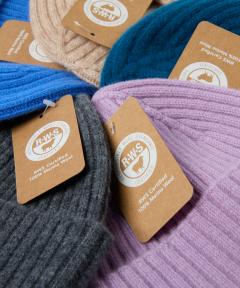
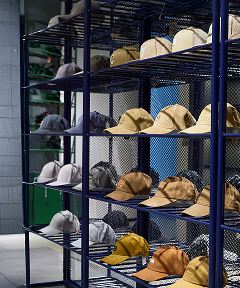






When a cap is worn, the first thing seen is colour and logo. But what defines its form is hidden—Hat Structure and Stiffness.
Stiffness is not just about fabric. Thick cotton will still collapse without proper lining. Light mesh can hold shape with the right support. Interlining, cotton core, and foam determine whether a custom cap keeps structure or becomes shapeless.
🔽 Quick Navigation
- 📌 Why Hat Stiffness Is a Design Decision, Not an Afterthought
- 📌 The Anatomy of a Structured Cap: What's Actually Inside
- 📌 Hat Interfacing: The Backbone of Every Structured Cap
- 📌 Cotton Wadding vs Foam Insert: Softness, Structure, and Everything Between
- 📌 Structured vs Unstructured: Choosing the Right Build for Your Brand
- 📌 How Internal Structure Affects Logo Placement and Embroidery Quality
- ❓ Hat Structure FAQs: Quick Answers
Why Hat Stiffness Is a Design Decision, Not an Afterthought

Many people think Hat Structure and Stiffness depends on fabric thickness. That is a misconception.The same canvas can feel completely different depending on internal structure—firm like cardboard, soft and fitted, or anything in between. This is never randomly generated; it is defined by parameters set during the factory sampling stage.
Hat lining, cotton padding, and foam each serve different structural support roles.Thickness, density, and placement decide whether the cap feels structured or soft.For brands specializing in custom hats, stiffness can be defined on demand — it is a process choice that can be planned in advance and precisely controlled.
The Anatomy of a Structured Cap: What's Actually Inside

If you strip back the front panel fabric of a trucker hat, you’ll find a layered “sandwich” structure underneath.The outermost layer is buckram—a stiffened, resin-treated mesh fabric that sits somewhere between cardboard and coarse cloth. It forms the basic frame of the front panel and gives the hat its initial structure.
- Beneath that is the foam layer, which controls thickness and overall shape. Higher-density foam creates the sharp, structured, boxy silhouette typical of trucker hats, while lower density results in a softer, more relaxed curve.
- The innermost layer, closest to the head, is cotton interlining. Its role is to stabilise the structure while adding comfort and breathability, reducing direct pressure against the head.These three layers work together to define Hat Structure and Stiffness. Any change in material, density, or placement will significantly alter the final feel of the cap.
Hat Interfacing: The Backbone of Every Structured Cap

Buckram is a starch-treated mesh fabric with a firm hand and a slightly translucent grid structure. It is typically based on cotton or polyester, and once stiffened, it becomes the first structural layer that defines the cap’s shape and supports the front panel.
- The gsm of buckram is the most direct factor in Hat Structure and Stiffness. Low-gsm buckram is lighter and softer, allowing easier shaping for vintage, relaxed, or slouchy designs. High-gsm buckram is much firmer, keeping the front panel upright at all angles and is standard for structured hats such as baseball caps and trucker hats.
- Buckram also plays a key role in embroidery support. Without it, repeated stitching can cause fabric wrinkling, distortion, or damage. With proper backing, logo stitching stays flat and aligned. This is why, in custom logo hats production, factories always confirm buckram specifications early rather than treating it as a minor detail.
Cotton Wadding vs Foam Insert: Softness, Structure, and Everything Between

Buckram defines the hat’s structural frame, but the filling material determines its true hand feel. Cotton core and foam are the two most commonly used padding materials in custom hats. Although both provide support, they differ fundamentally in density, elasticity, and tactile response.
- Cotton core (also known as cotton padding) is relatively soft, with space between fibres that allows better breathability. It provides a gentle level of support, with some rebound but without excessive rigidity, following the natural curve of the head. It is better suited to custom caps with a vintage, worn-in, or relaxed aesthetic, as it maintains a softer, less structured feel.
- Foam is quite different. Its density can be adjusted, ranging from light and flexible to thick and highly structured. This is why it is commonly used in trucker caps that require a tall, defined front panel silhouette. Foam has stronger resilience and can recover its shape quickly after compression, such as during transport or storage, which is a clear advantage over cotton core.
- However, foam has a drawback—lower breathability compared to cotton core. High-density foam can feel warm on the forehead during long wear. This is why many custom hats use a combination of foam in the front panel and mesh at the back. The foam creates visual structure, while the mesh improves airflow, balancing shape and comfort.
In simple terms, cotton core exists for fit and breathability, while foam exists for structure and shape. Neither is better or worse—the choice depends on the brand’s intended character: relaxed and casual, or clean and sharp. The filling material gives the most direct answer.
Structured vs Unstructured: Choosing the Right Build for Your Brand
Structured hats and unstructured hats represent two very different brand languages. The difference is not only in feel and appearance, but also in first impression—clean, professional structure versus relaxed, casual style. If the structure is wrong, even a strong logo will feel out of place.
- Structured hats rely on high-gsm buckram combined with high-density foam. The front panel stays upright with sharp, defined edges, maintaining a consistent geometric shape from every angle. This structure naturally suits contexts that require professionalism and uniformity—team uniforms, corporate merchandise, and sports collaborations.
- Unstructured hats take the opposite approach. They use little or no buckram, with very light reinforcement. The front panel follows the shape of the wearer’s head, and over time develops natural creases and curves unique to each individual. This “break-in” effect is key to vintage, workwear, and streetwear aesthetics—where wear and ageing are seen as part of authenticity. The popularity of dad hats reflects the rise of this softer structure in modern style.
- From a production perspective, unstructured hats often use fewer internal layers and may cost slightly less to make. However, this is not a value judgement. Structured hats can feel too rigid in casual contexts, while unstructured hats can feel too loose in formal or performance-driven settings. The correct choice is always driven by brand positioning, not cost.
When discussing custom hats with a factory, it is important to first define the desired first impression: should the hat feel structured and sharp, or soft and relaxed? This decision directly determines buckram gsm, foam density, and filling materials. Every layer of structure ultimately serves the brand.
How Internal Structure Affects Logo Placement and Embroidery Quality

Embroidery is the most popular logo technique in custom logo hats, but few realise that its quality depends largely on what sits underneath the stitches. It is not only about machine precision or thread quality.
- Buckram plays a stabilising role in embroidery. During high-speed stitching, insufficient support can cause the fabric to shift or wrinkle slightly, leading to blurred edges, misaligned stitches, or distortion. The higher the buckram gsm, the more stable the surface. This is why complex or detailed logos usually require higher gsm buckram.
- Foam density also affects embroidery results. High-density foam keeps the front panel flat and firm, producing clean and raised embroidery. Low-density or soft structures are more prone to natural creasing, which can distort designs, especially lettering and geometric shapes.
- Puff embroidery requires even stronger internal support. Foam is added under the stitching to create a raised effect, so the front panel must be stable enough to support both embroidery and foam layers. Without sufficient structure, collapse or edge sinking may occur. High-density foam combined with medium-to-high gsm buckram is usually required.
This is also why experienced suppliers always check logo complexity and intended finish before confirming embroidery or print methods. Internal structure must be planned alongside logo execution, not treated separately. A single overlooked buckram gsm can be the difference between a clean logo and a distorted one.
Structure is invisible, but consumers can feel it
Hat Liner, cotton core, and foam—these three layers sit beneath the fabric and are never shown in product images or marketing copy. Yet the moment a customer touches the front panel, they define the experience: structured or soft, and whether the logo appears sharp and raised or blurred and distorted. The outcome is determined entirely by how these layers are combined.
The quality gap in custom hats is rarely about surface appearance. It comes down to whether the internal structure has been properly designed. Firmness is not accidental—it is a decision made at the sampling stage: buckram gsm, foam density, and cotton core placement all work together to shape the brand’s intended feel and perceived quality.
❓Hat Structure FAQs: Quick Answers
Q1: How can you tell whether a cap uses high-gsm or low-gsm buckram?
The simplest method is to gently press the centre of the front panel. If it springs back quickly with almost no dent, it is likely high-gsm buckram. If it leaves a slight indentation that takes a few seconds to recover, it is usually low-gsm or lightweight buckram. You can also check the mesh density under light—finer, tighter mesh generally indicates higher gsm.
Q2: Can cotton core and foam be combined in custom caps?
Yes, and this is very common. Foam is often used in the front panel to create structure and visual impact, while cotton core is used closer to the head for breathability and comfort. This hybrid approach balances shape and wearability, and is a standard solution in custom hats rather than an either-or choice.
Q3: Why do some caps lose shape over time?
This is usually due to insufficient buckram gsm or low foam density. Weak internal support loses structure over time under sweat, moisture, and repeated compression (such as storage or washing). The front panel then gradually collapses. If long-term shape retention is important, higher-spec buckram and foam should be confirmed at sampling stage.
Q4: What special requirements does puff embroidery have?
Puff embroidery requires foam underlay to create a raised effect, so it places higher demands on front panel support. If buckram gsm or foam density is too low, the added thickness can cause collapse or edge distortion. High-density foam combined with medium-to-high gsm buckram is generally recommended.