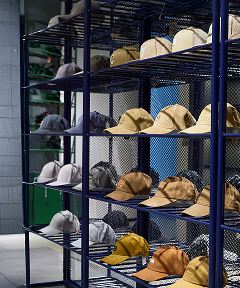

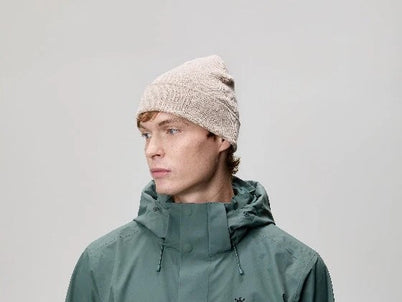
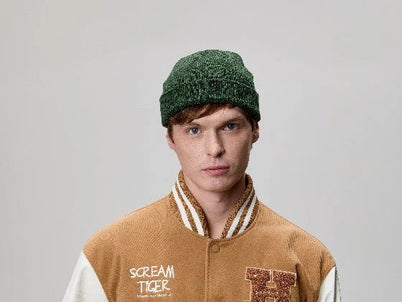
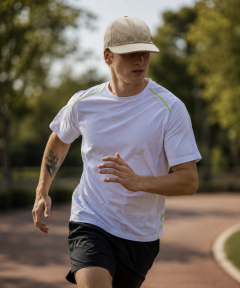
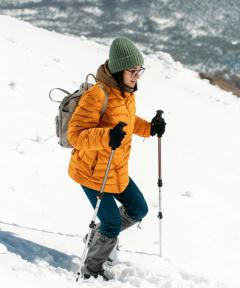

In the sports, outdoor, travel, golf, running events, and premium brand merchandise markets, a hat is no longer just a basic accessory to display a logo. The hats that consumers are truly willing to wear long-term often need to simultaneously deliver performance features like lightweight, sun protection, water repellency, breathability, quick-drying, durability, and a comfortable fit.
This is exactly why more and more brands are turning their attention to high-performance custom hats. Compared to ordinary cotton caps, functional tech headwear is better suited for real outdoor scenarios, and is more effective in helping brands build a professional, durable, and premium product image.
🔽 Quick Navigation
- 📌 Market Demands: Why Modern Brands Demand Technical Headwear
- 📌 Weatherproof Technology: Water Repellent vs. Waterproof Performance
- 📌 Sun Protection: The Science of UV-Resistant Headwear
- 📌 Ventilation Design: Laser Perforation and Mesh Structures
- 📌 Performance Fabrics: From Lightweight Nylon to Quick-Dry Poly
- 📌 Testing Standards: How to Ensure Reliability in the Elements
- 📌 Elevating Your Brand Value with High-Performance Headwear
- ❓FAQ
Market Demands: Why Modern Brands Demand Technical Headwear

In the past, the core requirement for many brands customizing hats was simply being "able to print a logo." But now, consumers' expectations for hats have clearly risen. They want hats to be not only good-looking, but also lightweight, breathable, sun-protective, quick-drying, durable, and capable of adapting to different weather conditions and athletic environments.
For running brands, a hat needs to stay fresh and crisp when sweating from exercise; for outdoor clubs, a hat must withstand intense sunlight, light rain, windblown sand, and long hours of wear; for premium corporate gifts and branded merchandise, a hat needs to balance utility, texture, and sustainable wear value.
This is exactly the market opportunity for functional custom headwear. It is no longer just a one-time promotional giveaway, but a practical item that can seamlessly integrate into a user’s daily outfits and outdoor gear setup. When a hat possesses distinct functional selling points, it becomes much easier for a brand to break free from low-price, homogenized competition.
Weatherproof Technology: Water Repellent vs. Waterproof Performance

In tech headwear, weather protection is one of the most common functional requirements. However, many buyers often confuse "water-repellent" with "fully waterproof," when in fact, the two are vastly different.
- Water-Repellent typically means the fabric surface has undergone a special finish, allowing water droplets to bead up and slide off the cloth. This type of fabric is ideal for scenarios like light rain, mist, morning dew, commuting, traveling, golf, and light outdoor activities. Its advantages lie in being lightweight, soft, and offering relatively better breathability, making it more suitable for most daily water-repellent custom hat projects.
- Fully Waterproof requires stronger structural support, such as coated fabrics, composite membrane materials, taped seams, or specialized hat body constructions. It is better suited for high-intensity environments like continuous rainfall, fishing, sailing, and mountain trekking. Products like a lightweight waterproof running cap, for instance, are better adapted for scenarios that emphasize rainy-day sports, lightweight wear, and outdoor protection.
However, buyers should also note that being fully waterproof often sacrifices a portion of breathability. If the structural design is not well-engineered, it can easily lead to a stuffy feeling during long periods of wear. Therefore, most brand custom projects do not necessarily need to chase the highest waterproof rating, but should instead choose the appropriate protection standard based on the real environment of use.
Sun Protection: The Science of UV-Resistant Headwear

For outdoor headwear, UV protection is a highly important functional selling point. Especially in scenarios such as running, golf, fishing, trekking, camping, beach vacations, outdoor tournaments, and staff uniforms, a hat is not just a styling piece, but an essential part of one's sun protection gear.
The common index for sun protection is UPF, or Ultraviolet Protection Factor. The higher the UPF value, the stronger the fabric's ability to block UV rays. However, the actual sun protection effect of a hat depends not only on the fabric but is also closely related to weaving density, color, brim width, brim angle, and wearing coverage area.
When developing custom outdoor hats, buyers cannot simply ask "whether the fabric is sun-protective," but must also evaluate whether the overall hat silhouette suits the target scenario. For instance, curved-brim caps are ideal for running, golf, and daily sports; wide-brim hats are better suited for trekking, fishing, camping, and extended outdoor work; while lightweight packable caps are perfect for travel and portable storage.
The value of sun protection technology lies in its ability to upgrade a hat from a generic accessory to a piece of practical gear. This is particularly crucial for sports brands, outdoor labels, and premium custom buyers.
Ventilation Design: Laser Perforation and Mesh Structures

Whether a high-performance hat is comfortable depends heavily on its breathable construction. Even if the fabric is lightweight, if the hat body lacks ventilation, users will still feel hot, humid, and uncomfortable during exercise or in high-temperature environments.Currently, there are two primary types of breathable designs: laser perforation and mesh construction.
Laser Perforation involves creating uniform ventilation holes on the fabric using precision technology. Compared to traditional metal eyelets or standard stitched eyelets, laser perforation is cleaner, more modern, and better suited for running caps, sports caps, golf hats, and lightweight outdoor hats. Designs like a perforated lightweight running cap, for instance, can enhance airflow while maintaining a sleek, minimalist appearance.
Mesh Construction utilizes large areas of breathable material to boost heat dissipation. Trucker hats, athletic caps, summer outdoor hats, and event caps frequently use mesh fabrics on the back or side panels. The advantages of mesh construction are highly noticeable ventilation and relatively controllable costs, making it ideal for hot weather and high-sweat scenarios.
A more sophisticated approach is to combine the two. For example, the front panel retains solid fabric for logo display, the side panels utilize laser perforation to enhance heat dissipation, and the back panels use lightweight mesh to boost airflow, all paired with a moisture-wicking sweatband. Such a combination perfectly balances brand presentation, comfort, and functional performance.
Performance Fabrics: From Lightweight Nylon to Quick-Dry Poly
Fabric determines the performance foundation of a tech headwear piece. In functional hats, lightweight nylon and quick-drying polyester are the two most common materials.
Lightweight Nylon
Its advantages include a smooth hand-feel, low weight, excellent abrasion resistance, and high compatibility with water-repellent treatments. It is frequently used for travel hats, outdoor hats, packable caps, lightweight sports caps, and high-end minimalist styles. For example, a nylon 5-panel camp cap is highly suitable for brand projects that emphasize lightweight performance, an outdoor aesthetic, and daily styling.
Quick-Drying Polyester
This is more commonly utilized in running caps and event headwear. Its strengths lie in superior moisture-wicking performance, rapid drying speed, and strong color stability, making it better suited for volume customization and multi-color development. For running, fitness, sports teams, training camps, athletic tournaments, and event merchandise, products like a quick-dry packable running cap can easily meet the demands for lightweight comfort and fast drying in active scenarios.
If the budget and market positioning allow, a hybrid construction can also be adopted. For instance, using water-repellent nylon as the main fabric, adding breathable mesh to the side panels, and pairing it with a quick-dry internal sweatband. This multi-material combination aligns much closer with the true definition of a high-performance tech hat.
Testing Standards: How to Ensure Reliability in the Elements

Functional headwear must not rely solely on marketing buzzwords. A truly reliable high-performance hat requires sample testing and detailed verification to ensure its stability and performance in real-world environments.
- Test water-repellent or waterproof performance: Water-repellent fabrics should cause water droplets to bead up and slide off visibly rather than soaking into the cloth immediately. If the product claims to be waterproof, buyers must further verify the fabric coating, composite structure, stitching treatments, and seam protections.
- Confirm sun protection capabilities: If the hats are intended for outdoor, golf, fishing, trekking, or beach scenarios, buyers should prioritize fabrics with verified UPF specifications and check if the brim dimensions offer sufficient shade.
- Evaluate breathability and sweat-wicking: Looking thin and light on a rack does not guarantee real-world wearing comfort. The sweatband material, crown height, perforation placement, mesh area, and lining structure all impact how effectively heat dissipates.
- Test logo technique durability: Outdoor hats endure constant exposure to sunlight, sweat, rain, and friction. Therefore, choices among embroidery, print, patch, woven labels, rubber patches, or reflective prints must be tailored to the fabric's characteristics to ensure longevity.
- Check silhouette and shape stability: High-performance hats generally prioritize lightweight properties, but this should not come at the cost of structure. Buyers should test the brim's snapback resilience, overall crown structure, closure durability, packability performance, and multi-head circumference fit.
Before moving to mass production, it is highly recommended to finalize sample approval and conduct wear-testing in the targeted environments. For instance, running caps should be tested under active, high-sweat conditions; outdoor hats should be evaluated under sunlight and light rain; and event caps must be checked for pressure points or stuffiness during extended wear.
Elevating Your Brand Value with High-Performance Headwear
All-weather tech headwear is becoming a vital category in the sports, outdoor, travel, and premium brand custom markets. By combining functions like water repellency, waterproofing, sun protection, breathability, quick-drying, lightweight comfort, and durability, it upgrades a hat from a basic accessory into a high-utility piece of performance gear.
For brands developing custom high-performance hats, the core strategy is not simply picking a random silhouette and adding a logo. Instead, it requires starting from the actual usage scenarios to systematically plan fabrics, constructions, techniques, testing methods, and brand expression.
When a hat can seamlessly adapt to changing weather conditions, maintain optimal wearing comfort, and convey a professional brand image, it achieves far greater commercial value and long-term promotional impact.
❓Performance Headwear FAQs: What Custom Buyers Need to Check
Q1: What is the most important function of a high-performance custom hat?
There is no single answer; it entirely depends on the usage scenario. Running and training prioritize quick-drying, sweat-wicking, and breathability; outdoor trekking emphasizes sun protection, water repellency, and lightweight comfort; premium brand merchandise must balance fabric hand-feel, shape stability, and logo craftsmanship.
Q2: Can a water-repellent hat replace a waterproof hat?
For daily commuting, light outdoors, travel, light rain, or event wear, water repellency is usually more than enough. However, if the hats are used for extended heavy rain, fishing, sailing, or professional outdoor environments, a higher-grade waterproof construction is required.
Q3: Is UPF sun protection a must for custom outdoor hats?
If the product targets golf, fishing, trekking, camping, beach vacations, running, or outdoor staff, UPF sun protection serves as a highly valuable functional selling point. Buyers should confirm with their suppliers whether the fabric comes with relevant verified ratings.
Q4: Which is better, laser perforation or mesh construction?
Laser perforation is better suited for high-end, minimalist, and tech-forward sports caps. Mesh construction is ideal for summer wear, casual sports, team events, and intense ventilation needs. The two can also be combined.
Q5: How should we choose between nylon and polyester?
Nylon is ideal for lightweight properties, water repellency, travel, and premium outdoor styles. Polyester is better suited for quick-drying, sports, athletic tournaments, and mass-volume customization. In actual development, hybrid solutions like nylon paired with mesh panels, or polyester paired with quick-dry sweatbands, can also be utilized.