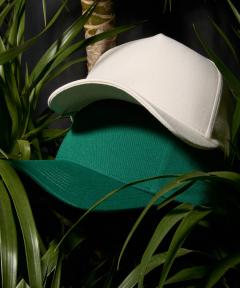
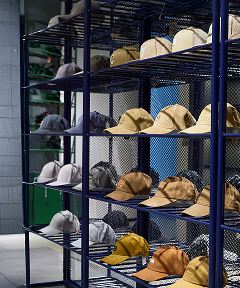






Watch any race, trail run, or early-morning training group and you'll notice the same thing: almost everyone is wearing a cap. It's not a coincidence. Understanding why wear a running cap comes down to a handful of very practical, very real advantages that add up over the course of a run — and they go well beyond simply blocking the sun.
🔽 Quick Navigation
- 📌 Does Wearing a Cap Help When Running?
- 📌 Comfort During Long Runs
- 📌 Cap vs No Cap: What Actually Changes
- 📌 Who Should Wear a Running Cap?
- 📌 Why Every Serious Runner Needs a Functional Running Cap
- ❓FAQ
Does Wearing a Cap Help When Running?

yes — and for more reasons than you might think. A running cap sits at the intersection of protection, visibility, and comfort, which is exactly why it's become standard gear across nearly every type of running, from local park loops to elite marathon fields.
Sun Protection
Running outdoors means constant exposure to the sun, even on cloudy days, since UV rays pass through cloud cover more than most runners realize. A cap's brim reduces direct sunlight exposure to your face, scalp, and eyes, lowering your risk of sunburn and long-term UV damage. It also cuts down on glare, which matters more than most runners realize when you're navigating uneven terrain or bright open roads.
Sun exposure accumulates over years of running. A single sunny run may not feel significant, but for runners covering hundreds of kilometers outdoors each year, UV exposure builds up season after season. Some running caps use UPF rated fabrics to provide measurable UV protection beyond the shade of the brim, with designs made specifically for outdoor training and sun exposure. This is why sun protection running caps have become a recommended essential for regular outdoor runners, not just occasional summer gear.
Better Visibility
A brim doesn't just block the sun — it improves how well you can actually see where you're going. This is especially valuable during:
- Morning running, when low-angle sunlight can be blinding
- Trail running, where glare off leaves, rocks, or water can obscure the path ahead
- Evening runs, when a low sun sits directly at eye level for long stretches
Better visibility means fewer missteps and a safer run overall.
Sweat Control
Without a cap, sweat runs freely down your forehead and straight into your eyes — stinging, blurring your vision, and breaking your rhythm. A cap absorbs and redirects that sweat, so you can stay focused on your pace instead of wiping your face every few minutes. On hot, humid days, this alone can be the difference between a run that feels manageable and one that feels miserable.
This is where a sweat-control running cap comes in. Many performance running caps use sweatbands inside the brim to absorb and redirect sweat before it reaches the eyebrows. Runners who train in hot, high-intensity conditions without a cap often notice the difference quickly — more frequent face wiping, sweat irritation in the eyes, and difficulty maintaining a steady breathing rhythm.
Comfort During Long Runs

The benefits of running hat wear become even more obvious over distance. Anyone training for a half marathon or full marathon training cycle knows that small discomforts compound over hours on your feet. A well-fitted cap removes one more variable from the equation, letting you focus on pacing, breathing, and form instead of sun in your eyes or sweat on your face.
Ask any runner who's finished a marathon without a cap on a warm day, and they'll usually tell you the same thing: the sun and sweat became a mental drain long before their legs did. That's part of why do you need a hat to run a marathon is such a common search among first-time marathoners — and while it's not strictly required, most experienced marathoners treat it as one of the few pieces of gear they won't race without.
Cap vs No Cap: What Actually Changes

|
Without a Cap |
With a Running Cap |
|
Sweat drips into eyes during hard efforts |
Sweat is absorbed and wicked away from the face |
|
Full sun exposure to face and scalp |
Shaded protection, reduced UV exposure |
|
Glare makes it harder to sight the road or trail |
Clearer sightlines, especially at low sun angles |
|
Frequent face-wiping breaks pace and rhythm |
Fewer interruptions, more consistent effort |
|
Hair blows into face on windy routes |
Hair kept back and out of the way |
None of these differences feel dramatic in isolation — but stacked together over an hour-long run, or a multi-hour marathon, they add up to a noticeably more comfortable experience.
Who Should Wear a Running Cap?

While every runner can benefit, a cap earns its place in these runners' kits especially:
- Daily runners who log miles rain or shine and need consistent protection
- Marathon runners managing hours of continuous sun and sweat exposure
- Trail runners dealing with unpredictable light, terrain, and weather
- Outdoor athletes who train across seasons and conditions
- Bald or thinning-hair runners, for whom scalp sun protection matters even more
- New runners building a routine, who benefit from the comfort and consistency a cap adds to every session
Why Every Serious Runner Needs a Functional Running Cap
The case for wearing a cap while running isn't about styleit's about function. Sun protection, sharper visibility, sweat control, hair and weather management, and longrun comfort are all reasons runners reach for a cap before heading out the door. If you're logging serious miles, it is one of the simplest gear upgrades, and you will likely never complete a training session without one after getting accustomed to it. Browse our running cap constructed from breathable, moisture-wicking fabric to stay comfortable from your very first mile through to the end of your run.
❓FAQs
Q1: Does wearing a cap actually improve running performance?
Indirectly, yes. By reducing sweat in your eyes, glare, and sun exposure, a cap helps you maintain focus and form, which supports more consistent performance over a run.
Q2: Is a running cap necessary for short runs?
It's less critical for a quick 20-minute jog, but still helpful for sun protection and comfort — and it becomes essential as distance and duration increase.
Q3: Can I wear a running cap in the rain?
Yes. A cap's brim helps keep rain out of your eyes, and many running caps are made with water-resistant, quick-drying fabric for exactly this reason.
Q4: Do running caps help with hair management?
Yes. For runners with longer hair, a cap helps keep loose strands out of your eyes, particularly on windy routes or fast-paced sessions.